
 English
  Français
  Tiếng Việt
  Italiano
  Nederlands
  Türkçe
  Svenska
  Polski
  Română
  Latviešu
  한국어
한국어  Русский
  Español
  Deutsch
  Українська
  Português
  العربية
  Indonesian
  Čeština
  Suomi
Suomi  Eesti
Eesti  Български
  Dansk
Dansk  Lietuvių
  Bokmål
  Slovenčina
  Slovenščina
  Ελληνικά
  Magyar
  עברית
עברית 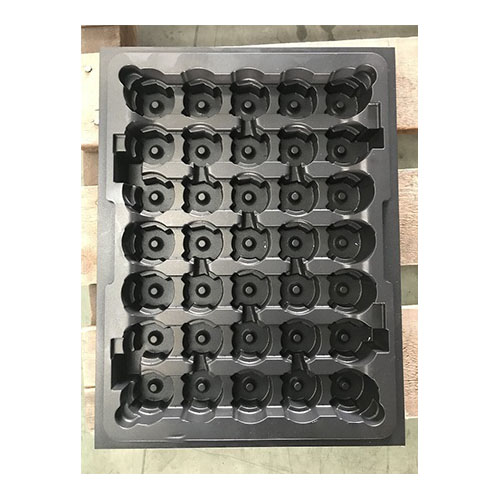
thin-sheet aluminum vacuum forming mold for precision
A thin-sheet aluminum vacuum forming mold is a vacuum-forming mold manufactured from high-precision aluminum alloy plate, suitable for vacuum-formed packaging, panels, instrument covers, interior trim, small trays, and other thermoformed plastic products.
Description
Aluminum molds offer the advantages of light weight, fast heat transfer, high machining accuracy, and ease of modification, making them especially suitable for short- to medium-run production, rapid prototyping, and small-batch manufacturing.
Materials suitable for thin-sheet aluminum vacuum forming molds:
- Mold material: high-quality aluminum alloys (such as 6061, 7075, etc.), selected according to requirements and treated with surface hardening or anodizing as needed.
- Forming sheet materials: common thermoplastics such as ABS, PVC, PS, PET, HIPS, PC (polycarbonate), etc.
Technical specifications and precision:
- Machining accuracy: depends on size and structure; typical milling accuracy can reach ±0.05 mm to ±0.2 mm (depending on part size and machining requirements).
- Surface quality: mirror polishing or matte textures can be achieved to meet different aesthetic requirements.
- Size range: supports small to medium-size panels and vacuum-formed parts; individual mold dimensions can be customized to customer requirements.
Advantages and features:
- Lightweight and lower cost compared with steel molds; short manufacturing lead time, suitable for rapid prototyping and small-batch production.
- Fast thermal response, which helps shorten cycle times and improve production efficiency.
- Easy machining and modification: mold details can be quickly adjusted during trial production, reducing product development time and cost.
- Strong surface workability: various post-treatments can produce mirror finishes, textures, or coatings for different surface effects.
Typical application areas for thin-sheet aluminum vacuum forming molds:
- Packaging: vacuum-formed trays, blisters, display trays, etc.
- Consumer electronics: panel housings, keyface covers, protective shields, and other small components.
- Home and decoration: decorative panels, lamp shades, functional cover panels, etc.
- Automotive interior and accessories: instrument panel covers, decorative shrouds, etc. (often used for concept samples or small-batch parts).
- Medical and industrial: housings for medical devices, equipment covers, and functional trays.