
 English
  Français
  Tiếng Việt
  Italiano
  Nederlands
  Türkçe
  Svenska
  Polski
  Română
  Latviešu
  한국어
한국어  Русский
  Español
  Deutsch
  Українська
  Português
  العربية
  Indonesian
  Čeština
  Suomi
Suomi  Eesti
Eesti  Български
  Dansk
Dansk  Lietuvių
  Bokmål
  Slovenčina
  Slovenščina
  Ελληνικά
  Magyar
  עברית
עברית 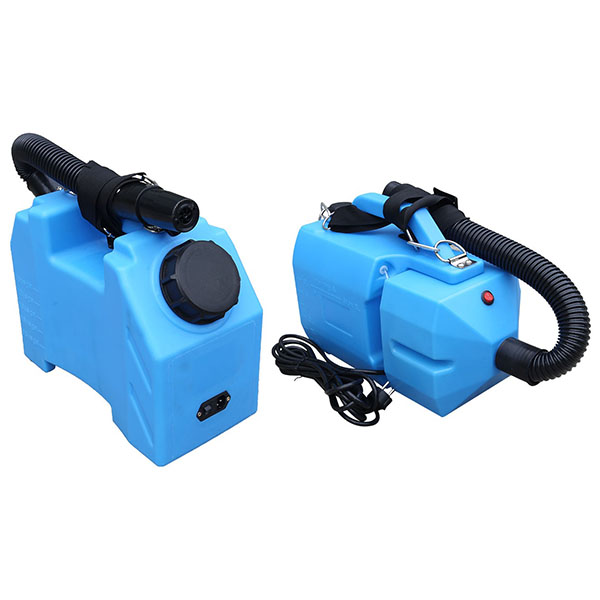
rotationally molded atomizer housing for compact misting
The materials for rotationally molded atomizer housings are typically high-density polyethylene (HDPE) or engineering polymers, offering good weather resistance, UV resistance, chemical tolerance, and impact resistance.
The rotationally molded atomizer housing is manufactured using a one-piece rotational molding process, forming a seamless structure with uniform wall thickness. The rotationally molded atomizer housing provides a stable mounting base and protective enclosure for various atomizers, spraying devices, and atomizing components. It can be integrated with mounting supports, interfaces, and cooling/ventilation channels as required, and is suitable for agricultural spraying, landscaping installations, industrial atomization, and outdoor equipment.
Main features of the rotationally molded atomizer housing:
- One-piece, seamless construction: Rotational molding produces a single-piece part that reduces assembly gaps and leakage, improving structural strength and durability.
- Excellent weather and UV resistance: Material formulations can include UV stabilizers, making it suitable for long-term outdoor exposure or strong sunlight.
- Chemical resistance: Resistant to common cleaning agents, pesticide solutions, and general chemical media, extending service life.
- Impact and vibration resistance: The integral structure and reinforcing ribs enhance drop and crush resistance to protect internal precision atomizing components.
- Lightweight and easy to work with: Lighter than metal housings, facilitating installation, transport, and cost control.
- Customizable mounting interfaces: Supports various fixing holes, flanges, clips, rails, or threaded interfaces for easy connection to motors, atomizing heads, and piping.
- Thermal management and waterproofing: Ventilation holes, airflow channels, or sealing ring combinations can be designed to balance cooling and waterproofing requirements.
- Surface finishing and markings: Supports in-mold coloring, silk-screening, labeling, or scratch-resistant coatings for brand customization and aesthetic enhancement.
Structure and design details:
- Reinforcements and strengthened load zones: Ribbed reinforcements are designed at mounting brackets, fastening holes, and edges to increase local strength.
- Modular cover plates and clips: Removable covers or quick-release clips facilitate maintenance, replacement of atomizing elements, and cleaning.
- Internal assembly positioning: Reserved locating pin holes or guide slots ensure precise installation and stable positioning of fans, atomizing cores, and piping.
- Waterproofing and sealing: Rubber seals and sealed covers can be fitted where moisture or splash protection is needed to meet IP rating requirements.
- Cooling channel design: For high-power atomizers, airflow channels for natural convection or forced ventilation can be designed, accommodating heatsink installation.
- Cable and wiring openings: Reserved cable ducts, sealed cable holes, or standard cable clamps simplify routing and securing power and control lines.
Materials and process:
- Common materials: HDPE, LLDPE, or other engineering plastics; modified materials can be selected according to temperature resistance and chemical resistance requirements.
- Molding process: Rotational molding in a single shot ensures uniform wall thickness and reduces stress concentrations and welding defects.
- Surface treatment: Supports masterbatch coloring, matte/gloss finishes, scratch-resistant coatings, or UV stabilization treatments to extend service life.
Applicable scenarios:
- Protective housings for atomizers in agricultural and landscaping spraying equipment.
- Housings and mounting supports for industrial cold fogging, humidification, and dust removal systems.
- Atomizing equipment for public sanitation disinfection and air purification.
- Component protection in outdoor landscape misting and ecological irrigation systems.