
 English
  Français
  Tiếng Việt
  Italiano
  Nederlands
  Türkçe
  Svenska
  Polski
  Română
  Latviešu
  한국어
한국어  Русский
  Español
  Deutsch
  Українська
  Português
  العربية
  Indonesian
  Čeština
  Suomi
Suomi  Eesti
Eesti  Български
  Dansk
Dansk  Lietuvių
  Bokmål
  Slovenčina
  Slovenščina
  Ελληνικά
  Magyar
  עברית
עברית 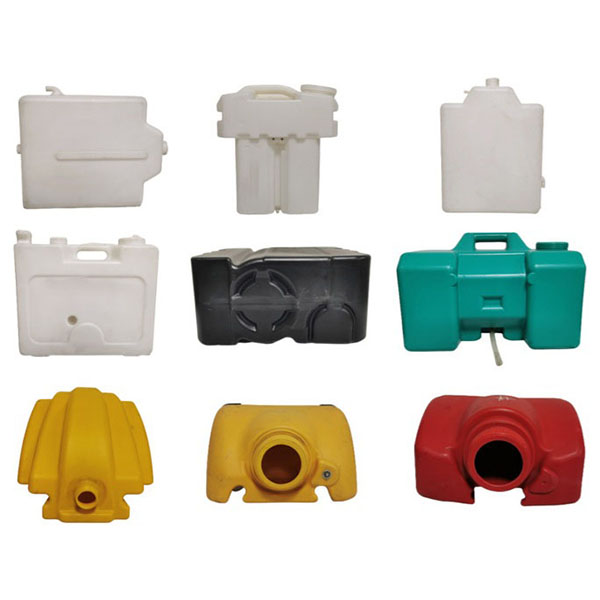
premium blow-molded water tank with enhanced strength
Blow-molded water tanks use a blow-molding process that injects molten plastic into a mold and expands it with air pressure, enabling multiple shapes and capacities to meet diverse application needs.
Description
Blow-molded water tanks are widely used containers for liquid storage and transport, commonly applied to coolants, antifreeze, and many other liquids. Made primarily from polyethylene and similar plastics, they combine resistance to high and low temperatures, corrosion resistance, and good sealing performance, effectively protecting liquids from external conditions for both indoor/outdoor and mobile use.
Materials and process of blow-molded water tanks:
- Common materials: High-density polyethylene (HDPE), etc., offering resistance to high/low temperatures, chemical corrosion, and aging.
- Process flow: Raw material melting → injection preform → blow molding → cooling/curing → trimming/inspection. By controlling melt temperature, air pressure, and mold design, wall thickness is kept uniform, and structures remain stable and reliably sealed.
- Forming characteristics: Complex contours and interfaces can be formed in one piece, reducing welds and joints to lower leakage risk; stable dimensions facilitate mass production and standardized assembly.
Core advantages of blow-molded water tanks:
- Sealing and structural strength: Continuously formed shell with controllable wall thickness provides good sealing, vibration resistance, and impact resistance.
- Weather and chemical resistance: Suitable for high/low temperature environments and common chemicals; optional UV-resistant formulations make them suitable for outdoor use.
- Lightweight and easy to handle: Lighter than metal containers, making installation, transport, and maintenance easier.
- Flexible customization: Capacities, interface specs, mounting points, colors, and markings can be customized; windows or scale lines are available for liquid-level viewing.
- Surface and appearance: Optional gloss or textured finishes; supports labeling, screen printing, and other branding treatments.
Application fields:
- Automotive and machinery: Storage and circulation of coolants, antifreeze, water, or other working media.
- Medical: Secure storage of biological samples, medicines, vaccines, and other liquids (paired with appropriate cleanliness and temperature-control solutions).
- Food and cold chain: Storage and transport of frozen foods, ice cream, and other low-temperature media (requires food-grade materials and clean production).
- Chemical and agriculture: Storage and distribution of chemical reagents, additives, and agricultural solutions, with material compatibility confirmed.
- General liquid storage: Industrial water, circulating water, cleaning fluids, and other liquid-storage scenarios.