
 English
  Français
  Tiếng Việt
  Italiano
  Nederlands
  Türkçe
  Svenska
  Polski
  Română
  Latviešu
  한국어
한국어  Русский
  Español
  Deutsch
  Українська
  Português
  العربية
  Indonesian
  Čeština
  Suomi
Suomi  Eesti
Eesti  Български
  Dansk
Dansk  Lietuvių
  Bokmål
  Slovenčina
  Slovenščina
  Ελληνικά
  Magyar
  עברית
עברית 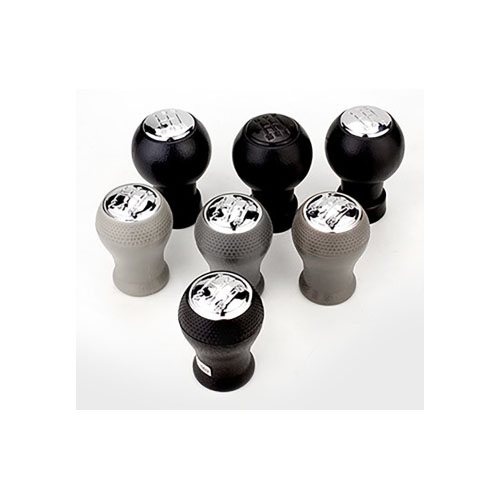
overmolding injection molding for robust automotive parts
Overmolding injection molding is a molding process that bonds one or more soft or functional polymers onto the surface of rigid substrates (such as metals, hard plastics, or other engineering materials) during injection molding.
Overmolding injection molding process, by achieving a strong bond between materials in the same mold or through multiple molding steps, can significantly improve product ergonomics, slip resistance, sealing, electrical insulation, and durability, and is widely used in automotive, home appliances, electronics, handheld tools, medical devices, and other fields.
Process principle:
Overmolding injection molding typically uses a two-step or integrated multi-cavity molding approach: first position the substrate (insert) at the designated location in the mold (which may be a metal part or a pre-molded plastic part), then inject a second (or multiple) polymer material around or onto the substrate so that it forms a strong bond with the substrate through physical interlocking, mechanical locking features, or chemical compatibility. The key factors are substrate positioning accuracy, interface treatment, molding parameters, and material compatibility control.
Mold and equipment requirements:
- 1. Mold structure: Provide locating holes/ejector pins, clamping mechanisms, insert-fixing devices, and reasonable runner and venting designs. Multi-cavity or multi-shot injection molding machines can achieve one-step molding or continuous operations; molds must account for draft angles and overmold thickness distribution.
- 2. Injection molding equipment: Select appropriate injection molding machines according to the materials (two-platen machines, horizontal or vertical injection molding machines); specialized machines and metering systems are required for liquid silicone rubber (LSR) and similar materials. For two-step processes, appropriate assembly or transfer stations are needed.
- 3. Temperature control and cooling: Good temperature control and cooling layout reduce internal stresses, shorten cycle times, and ensure dimensional stability.
Process flow and key parameters:
- 1. Insert preparation and positioning: Clean, preheat (if required), and accurately clamp the insert in the mold locating position.
- 2. First molding (for two-step processes) / base material injection: Control injection speed, holding pressure, and backpressure to prevent insert displacement or warpage due to flow.
- 3. Overmold injection: Choose appropriate injection rate and melt temperature to ensure the overmold material forms a complete encapsulation and locking structure at the interface.
- 4. Cooling and demolding: Set cooling time according to material thermal properties to avoid stress concentration that can cause blisters or cracking.
- 5. Post-processing: Deburring, trimming, checking bonding integrity, and performing thermal aging or surface treatment if necessary.
Key parameters include injection speed, injection pressure, holding time, mold temperature, melt/material temperature, and cooling time.
Typical application areas of overmolding injection molding:
- 1. Automotive interior and functional parts: steering wheels, handles, buttons, seals, and covers.
- 2. Handheld tools and consumer electronics: power tool handles, phone protective cases, keycaps, and anti-slip components.
- 3. Medical devices: instrument housings with soft-touch areas, sealing gaskets, and ergonomic handles.
- 4. Household appliances: control knobs, anti-slip feet, and handle overmolding.