
 English
  Français
  Tiếng Việt
  Italiano
  Nederlands
  Türkçe
  Svenska
  Polski
  Română
  Latviešu
  한국어
한국어  Русский
  Español
  Deutsch
  Українська
  Português
  العربية
  Indonesian
  Čeština
  Suomi
Suomi  Eesti
Eesti  Български
  Dansk
Dansk  Lietuvių
  Bokmål
  Slovenčina
  Slovenščina
  Ελληνικά
  Magyar
  עברית
עברית 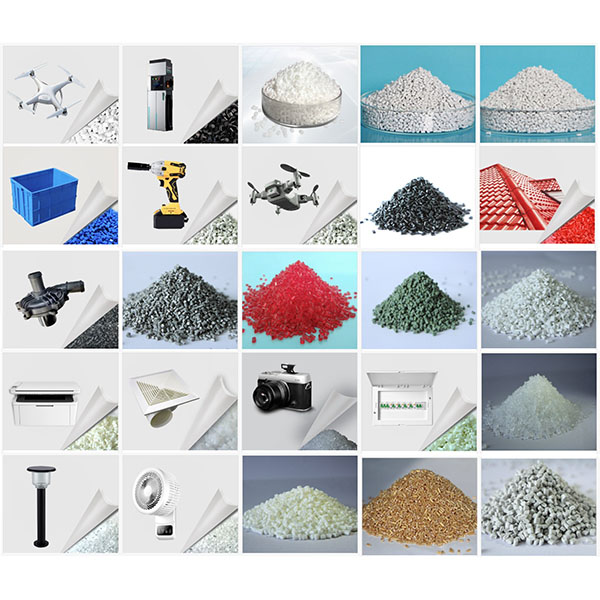
injection molding materials for industrial products
injection molding materials refer to the plastics, elastomers, and engineering polymers processed and formed by injection molding, used to manufacture housings, structural parts, functional components, and seals.
Description
different materials exhibit significant differences in mechanical properties, heat resistance, chemical resistance, surface treatmentability, and molding difficulty; material selection should be based on product function, operating environment, and cost requirements.
common injection molding materials list:
- engineering plastic abs (acrylonitrile-butadiene-styrene).
- nylon pa12 (polyamide 12).
- nylon pa6 (polyamide 6).
- nylon pa66 (polyamide 66).
- polycarbonate pc (polycarbonate).
- polyether ether ketone peek (high-performance engineering plastic, heat resistant).
- saigang pom (polyoxymethylene, acetal; also called polyacetal).
- polyethylene hdpe (high-density polyethylene).
- polyethylene ldpe (low-density polyethylene).
- polyvinyl chloride pvc (polyvinyl chloride).
- polypropylene pp (polypropylene).
- polystyrene ps (polystyrene).
- injection molding materials (general term).
- thermoplastic elastomer tpe (thermoplastic elastomer).
- polymethyl methacrylate pmma (polymethyl methacrylate, acrylic).
- ppe (or ppo, polyphenylene ether).
- styrene-acrylonitrile as (styrene-acrylonitrile).
- polybutylene terephthalate pbt (polybutylene terephthalate).
- polyphenylene sulfide pps (polyphenylene sulfide).
- thermoplastic polyurethane tpu (thermoplastic polyurethane).
- liquid crystal polymer lcp (liquid crystal polymer, high strength and high heat resistance).
- nitrile butadiene rubber nbr (nitrile butadiene rubber, oil-resistant rubber).
material performance overview and typical applications
- abs: good moldability and surface finishing, suitable for consumer electronics and instrument housings and decorative parts.
- pa series (pa12,pa6,pa66): wear-resistant and high-strength, suitable for gears, bushings, and structural load-bearing parts; pa12 has lower moisture absorption, suitable for applications requiring dimensional stability.
- pc: high impact strength and heat resistance, suitable for transparent parts, impact-resistant housings, and applications with flame-retardant requirements.
- peek: extremely high temperature and chemical resistance, suitable for functional parts in aerospace, medical, and high-temperature environments.
- pom (saigang): high rigidity and low friction coefficient, suitable for precision gears and sliding components.
- hdpe, ldpe: chemically stable and low cost, commonly used for containers, pipes, and general structural parts.
- pvc: various options for weather resistance and flame retardancy, suitable for construction fittings, cable sheaths, etc.
- pp: lightweight and chemically resistant, suitable for appliance housings, clips, and overmolded assemblies.
- ps: low molding cost, often used for disposable products or internal structural parts.
- tpe, tpu: balance elasticity and wear resistance, suitable for seals, soft-touch areas, and damping parts.
- pmma: optically transparent and weather-resistant, suitable for transparent panels and display covers.
- ppe, as, pbt, pps: each shows advantages in heat resistance, dimensional stability, electronic,electrical components, and high-temperature engineering applications, respectively.
- lcp: used for high-frequency electronic connectors and precision parts requiring high strength and high heat resistance.
- nbr: oil-resistant rubber, commonly used for seals and environments in contact with oils.
selection points and suggestions:
- choose high-strength or high-toughness materials (such as pc, pa, pom) based on mechanical load, wear, and impact requirements.
- consider operating temperature and flame-retardant requirements; when necessary, select high-temperature materials or add flame-retardant formulations (such as peek, pps, flame-retardant pc grades).
- if plating, painting, or printing is required, prioritize resins that are easy to post-treat (such as abs, pc,abs).
- moisture-sensitive materials (such as pa) should be dried before injection molding to ensure molding stability.
- when designing molds, comprehensively consider material shrinkage and flowability, optimizing gates and cooling systems to reduce deformation and warpage.
- if there are regulatory requirements for food, medical, or environmental applications, confirm whether the material has the necessary compliance certificates (such as food-grade, rohs, reach).
molding and processing considerations:
- injection molding parameters (temperature, hold pressure, injection speed) should be adjusted according to material characteristics; highly crystalline or high-viscosity materials typically require higher melt temperatures and holding pressures.
- elastomers and rubbers (tpe, tpu, nbr) have higher requirements for mold surface and gate design, and measures must be taken to prevent backflow and stringing of the sprue.
- high-temperature engineering plastics (peek, pps, lcp) require equipment with high-temperature capability during processing and should use specialized injection molding machines and mold designs.
- parts with high surface requirements should invest more process validation in mold polishing and flow balance.