
 English
  Français
  Tiếng Việt
  Italiano
  Nederlands
  Türkçe
  Svenska
  Polski
  Română
  Latviešu
  한국어
한국어  Русский
  Español
  Deutsch
  Українська
  Português
  العربية
  Indonesian
  Čeština
  Suomi
Suomi  Eesti
Eesti  Български
  Dansk
Dansk  Lietuvių
  Bokmål
  Slovenčina
  Slovenščina
  Ελληνικά
  Magyar
  עברית
עברית 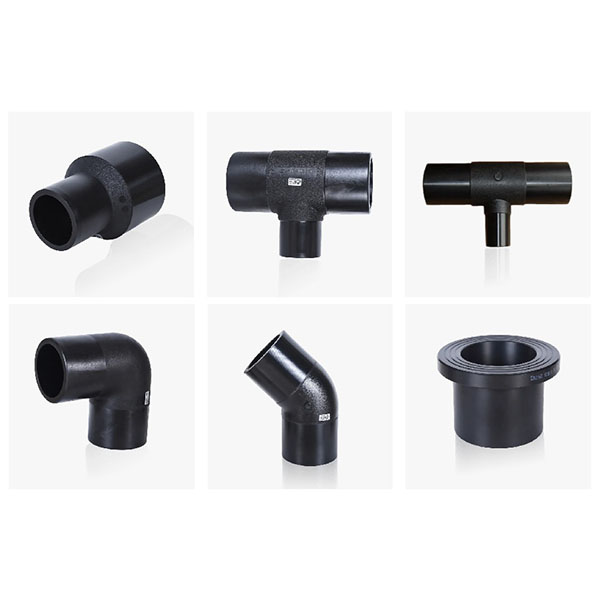
injection-molded plastic pipe fittings for plumbing
injection-molded plastic pipe fittings are manufactured by injection molding of engineering plastics and are suitable for water supply and drainage, HVAC, chemical transport, industrial gas piping, and civil piping systems.
Description
injection-molded plastic pipe fittings feature high dimensional accuracy, reliable sealing, corrosion resistance, lightweight construction, and cost advantages for mass production, supporting standardized production and customer customization.
Core features:
- High-precision molding: Manufactured using precision molds to ensure consistent interfacing dimensions, facilitating rapid connection with pipes and other fittings.
- Excellent sealing: Combining integral injection molding with post-processing (such as O-rings, heat fusion, or ultrasonic welding) reduces leakage risk and improves system reliability.
- Multiple material options: Common materials include PP, PE, PVC, ABS, PC, POM, etc., selectable based on temperature resistance, chemical resistance, and mechanical strength requirements.
- Corrosion and weather resistance: Material formulations and additives can enhance anti-aging properties, UV resistance, and resistance to chemical media, making them suitable for outdoor or harsh environment applications.
- Lightweight and easy installation: Lighter than metal fittings, they reduce installation labor and are suitable for quick on-site assembly and maintenance.
- Mass production and customization: Support customization of sizes, connection types (socket, threaded, flanged, etc.), colors, and special additive functions (flame retardant, anti-static) as required.
Materials and application scenarios for injection-molded plastic pipe fittings:
- Common materials and uses: PVC/UPVC (water supply and drainage, chemical), PP (acid and alkali resistance, high temperature), PE (gas, hot and cold water), ABS (applications requiring high structural strength).
- Typical applications: residential and commercial water supply and drainage systems, HVAC piping, laboratory and chemical media transport, agricultural irrigation, and industrial cooling systems.