
 English
  Français
  Tiếng Việt
  Italiano
  Nederlands
  Türkçe
  Svenska
  Polski
  Română
  Latviešu
  한국어
한국어  Русский
  Español
  Deutsch
  Українська
  Português
  العربية
  Indonesian
  Čeština
  Suomi
Suomi  Eesti
Eesti  Български
  Dansk
Dansk  Lietuvių
  Bokmål
  Slovenčina
  Slovenščina
  Ελληνικά
  Magyar
  עברית
עברית 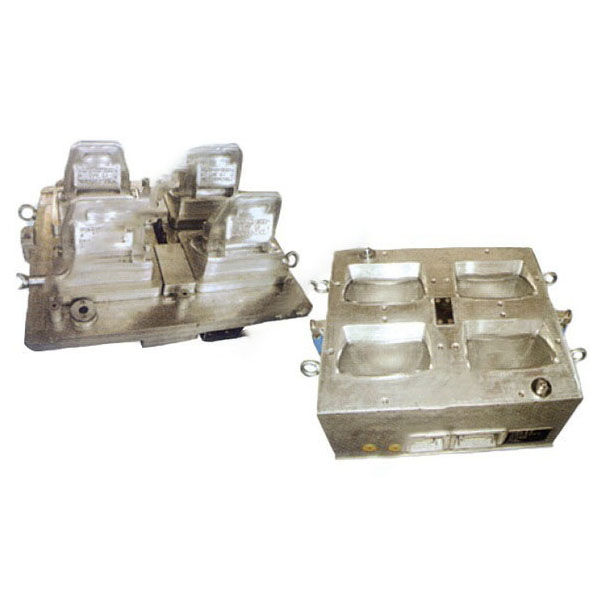
headrest foam mold for ergonomic comfort and safety
Headrest foam molds are used for one‑piece foam molding of headrests or head cushions, suitable for a wide range of applications including automotive headrests, aircraft and rail transit headrests, office chair and sofa head supports, and more.
Using injection foaming, pour‑in foaming, or pour‑casting foaming processes, uniform closed‑cell or semi‑closed‑cell foam structures are formed within the mold cavity, providing stable support, a comfortable feel, and long‑term resilience, and enabling reliable bonding or mechanical integration with cover fabrics or internal frames.
Key features of headrest foam molds:
- Foam consistency: Precise cavity and runner design, properly arranged gates, and matched foaming formulations ensure uniform foam density and closed‑cell ratio, delivering consistent resilience and effective load distribution.
- Ergonomic optimization: Molds can be shaped and zoned in hardness according to head and neck support requirements to provide localized support, pressure relief, and good lateral wrap, improving seating comfort and neck protection.
- Lightweighting and strength control: By integrating reinforcement ribs or structural stiffeners and optimizing wall thickness and material distribution, strength and durability are maintained while minimizing weight.
- Surface and tactile control: Supports surface texture design and provisions for cover layers to achieve the desired tactile feel, appearance, and fabric adhesion.
- Temperature control and venting design: Proper configuration of heating/cooling zones and venting channels optimizes cure profiles, reduces air pockets and sink marks, and improves surface quality and yield.
- Production efficiency: Supports multi‑cavity or combined‑mold designs and is compatible with automated loading/unloading equipment, shortening cycle times and increasing output.
- Mold life and maintenance: Uses corrosion‑resistant alloy steels or cavity materials with surface hardening treatments, and designs replaceable inserts and wear parts for easy local repair and extended service life.
- Environmental performance and safety: Can be paired with low‑VOC, low‑odor, or non‑toxic foaming systems, with options for flame‑retardant and other safety‑compliant material solutions.
Applicable materials for headrest foam molds:
Compatible with polyurethane (PU) foams, thermoplastic foam materials such as TPU and other thermoplastic polyurethane variants, EVA, EPE, and other polymer composite foam systems. Materials and formulations can be customized according to comfort, resilience, temperature resistance, flame‑retardant rating, and long‑term weatherability requirements.
Typical application scenarios:
Automotive headrests, commercial vehicle and rail transit headrests, aircraft headrests, office chair head supports, household sofa headrests, medical and rehabilitation head supports, and other products requiring high levels of support, comfort, and durability.