
 English
  Français
  Tiếng Việt
  Italiano
  Nederlands
  Türkçe
  Svenska
  Polski
  Română
  Latviešu
  한국어
한국어  Русский
  Español
  Deutsch
  Українська
  Português
  العربية
  Indonesian
  Čeština
  Suomi
Suomi  Eesti
Eesti  Български
  Dansk
Dansk  Lietuvių
  Bokmål
  Slovenčina
  Slovenščina
  Ελληνικά
  Magyar
  עברית
עברית 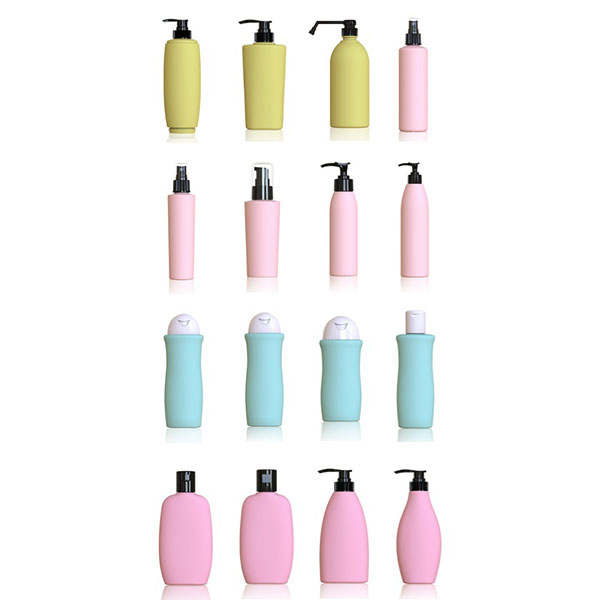
HDPE blow-molded bottle for pesticide and chemical storage
HDPE blow-molded bottles are made from high-density polyethylene (HDPE) using mature blow-molding processes, offering excellent chemical resistance, impact resistance, and lightweight properties.
HDPE blow-molded bottles are suitable for the packaging needs of various liquids such as chemicals, pesticides, and cleaners, balancing cost-effectiveness and reliability.
Core selling points of HDPE blow-molded bottles:
- Chemical resistance: HDPE exhibits good resistance to most acids, alkalis, organic solvents, and common pesticide formulations, reducing the risk of chemical degradation.
- Impact and drop resistance: The material and manufacturing process ensure the bottle has good impact resistance during transport and stacking.
- Lightweight design: Achieves weight reduction while maintaining strength, lowering transportation and usage costs.
- High customizability: Capacity, neck specifications (diameter, thread), color, handles, labels, and printing can all be customized to customer requirements.
- Stable processing: Suitable for extrusion blow molding and injection blow molding processes, selectable according to customer production lines and performance needs.
Suggested technical parameters:
- Material: HDPE (High-Density Polyethylene).
- Typical capacities: 50 mL to 5 L (customizable).
- Wall thickness and tolerances: Set according to customer requirements and strength needs; common range 0.8 mm to 2.5 mm.
- Neck specifications: Common 20/410, 24/410, 28/400, etc. (customizable).
- Temperature tolerance (reference): -20°C to +60°C (depends on specific formulation and usage environment).
- Surface treatments: Silk-screen printing, thermal transfer printing, shrink sleeves, labeling, or aluminum foil seals available.
Applicable scenarios:
- Packaging and filling of liquid or emulsified pesticide formulations such as pesticides, herbicides, and insecticides.
- Storage and transport of industrial and consumer liquids such as chemical reagents, cleaners, and lubricants.
- Packaging solutions that require chemical resistance, impact resistance, and high-volume production.
Quality and testing recommendations:
- Provide material composition information (MSDS) and production batch records.
- Conduct accelerated aging compatibility tests with actual formulations (high temperature, vibration, light, etc.), and inspect appearance, seal integrity, and content stability.
- If special barrier or solvent-resistance requirements exist, specify performance indicators and test methods in the contract.
Usage and storage suggestions:
Follow label and product instructions for use and storage; avoid prolonged exposure to high temperatures or strong sunlight. Filling and sealing should be performed in a ventilated, non‑flammable environment. Dispose of according to local regulations and recycling guidelines.
Short product tagline:
HDPE blow-molded bottles, chemically resistant, strong yet lightweight, and customizable economical liquid packaging solutions.