
 English
  Français
  Tiếng Việt
  Italiano
  Nederlands
  Türkçe
  Svenska
  Polski
  Română
  Latviešu
  한국어
한국어  Русский
  Español
  Deutsch
  Українська
  Português
  العربية
  Indonesian
  Čeština
  Suomi
Suomi  Eesti
Eesti  Български
  Dansk
Dansk  Lietuvių
  Bokmål
  Slovenčina
  Slovenščina
  Ελληνικά
  Magyar
  עברית
עברית 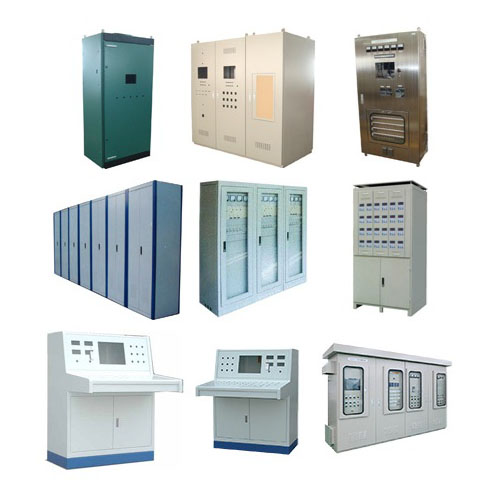
electrical cabinet sheet metal fabrication for panels
Electrical cabinet sheet metal fabrication is the process of producing electrical cabinet enclosures and internal components used for power distribution, control, monitoring and protection from metal sheets through a series of sheet metal forming processes such as cutting, bending, punching, welding and assembly.
Description
Finished electrical cabinet sheet metal products feature robust construction, good sealing and protective performance, convenient wiring and cable routing, and benefits for heat dissipation and electromagnetic shielding. They are widely used in industrial electrical control, power distribution systems, building automation, communication base stations, and outdoor and indoor power distribution facilities.
Manufacturing processes and equipment:
- Laser cutting, plasma cutting, and punch press: used for cutting outer cabinet profiles, making openings, ventilation holes, and mounting hole positions.
- CNC bending (CNC, Press Brake): used to form cabinet flanges, edges and mounting brackets, ensuring assembly fit and structural strength.
- Stamping and forming: used for efficient mass production of standard parts and reinforcement pieces.
- Welding and joining: spot welding, TIG welding, arc welding, and bolted or riveted connections, used for cabinet assembly and internal support fixation.
- Surface treatment lines and automated assembly: powder coating ovens, pretreatment lines, and automated fastening/assembly stations to improve productivity and consistency.
Structural design considerations and functionality:
- Protection and sealing: design sealing grooves, gaskets and pads according to IP rating requirements to provide dust and water protection and meet outdoor or indoor usage environments.
- Wiring and grounding: reserve cable entry/exit positions, grounding terminals and cable ducts, and optimize routing to facilitate on-site wiring and maintenance.
- Heat dissipation and ventilation: reasonably design ventilation holes, fan locations and heatsink mounting surfaces to ensure stable operating temperatures for internal equipment.
- Strength and deformation resistance: improve rigidity and reduce vibration effects through appropriate bend radii, stiffening ribs and internal support structures.
- Safety and standards compliance: design considers grounding, isolation, conductor clearance and relevant electrical standards and certification requirements (e.g., CE, UL, etc.).
Surface treatments and post-processing:
- Surface treatment options: powder coating, painting, hot-dip galvanizing, electroplating, anodizing (for aluminum), phosphating, etc.
- Finishes and colors: can be customized according to the RAL color chart or customer samples for color and texture.
- Deburring and chamfering: perform deburring and chamfering after cutting and punching to ensure assembly safety and consistent appearance.
- Secondary processing: drilling and tapping, milling, insert installation, hinge and lock assembly, and installation of internal rails and brackets.
Application areas:
- Industrial power distribution boxes and control cabinets, power distribution room equipment.
- Building automation and intelligent building control cabinets.
- Communication base station and equipment room power distribution cabinets, UPS and battery cabinets.
- Traffic signal and rail transit control boxes, outdoor power supply cabinets.
- Specialized industry equipment cabinets and custom electronic instrument enclosures.