
 English
  Français
  Tiếng Việt
  Italiano
  Nederlands
  Türkçe
  Svenska
  Polski
  Română
  Latviešu
  한국어
한국어  Русский
  Español
  Deutsch
  Українська
  Português
  العربية
  Indonesian
  Čeština
  Suomi
Suomi  Eesti
Eesti  Български
  Dansk
Dansk  Lietuvių
  Bokmål
  Slovenčina
  Slovenščina
  Ελληνικά
  Magyar
  עברית
עברית 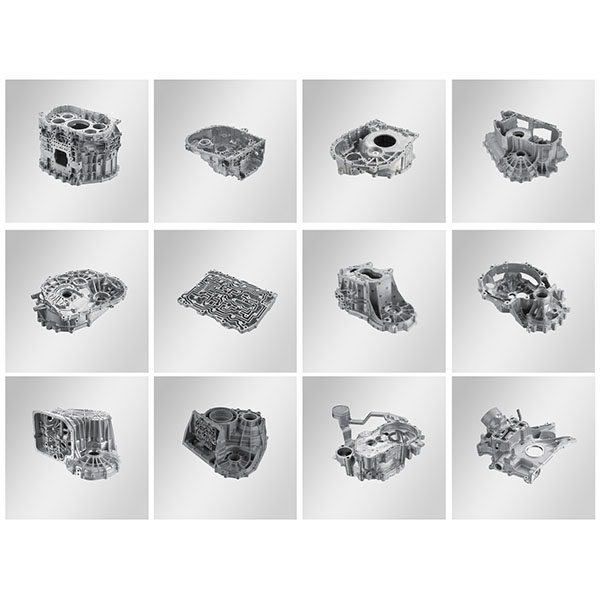
die-cast automotive components for oem and aftermarket
Die-cast automotive components are mass-produced using high-pressure die casting to manufacture lightweight metal structural and decorative parts. Common materials include aluminum alloys, zinc alloys, and magnesium alloys.
Description
Die-cast parts have high molding accuracy, smooth surface finish, dimensional stability, and good mechanical properties, making them suitable for a wide range of automotive applications such as engine systems, body structures, driveline and suspension components, interior and exterior trim, and vehicle electronic modules.
Main materials and characteristics:
- Aluminum alloys: lightweight, good thermal conductivity, and corrosion resistance; widely used for structural parts and heat-dissipation components.
- Zinc alloys: excellent fluidity and high forming precision; suitable for small precision parts and decorative components.
- Magnesium alloys: lower density and significant weight-saving benefits; suitable for high-end applications sensitive to weight.
- Combined advantages: capable of producing complex geometries, integrated structures, and good adaptability to surface treatments (plating, painting, anodizing, etc.).
Surface treatments and post-processing:
- Plating and chemical plating: chrome plating, nickel plating, etc., to enhance corrosion resistance and decorative appearance.
- Anodizing and painting: improve wear and corrosion resistance and achieve various color effects.
- Powder coating and spraying: suitable for exposed parts with high weather-resistance requirements.
- Surface finishing: polishing, sandblasting, and texturing to meet appearance or anti-slip requirements.
- Secondary machining: machining of high-precision mating surfaces to achieve assembly tolerances and required surface roughness.
Application areas and typical examples of die-cast automotive components:
- Engine systems: brackets, covers, oil pans, and cover plates.
- Body and chassis: connectors, support brackets, and decorative trim.
- Drivetrain: housings, wheel hubs, and bearing supports.
- Vehicle electronics: sensor housings, heat-dissipation assemblies, and connector housings.