
 English
  Français
  Tiếng Việt
  Italiano
  Nederlands
  Türkçe
  Svenska
  Polski
  Română
  Latviešu
  한국어
한국어  Русский
  Español
  Deutsch
  Українська
  Português
  العربية
  Indonesian
  Čeština
  Suomi
Suomi  Eesti
Eesti  Български
  Dansk
Dansk  Lietuvių
  Bokmål
  Slovenčina
  Slovenščina
  Ελληνικά
  Magyar
  עברית
עברית 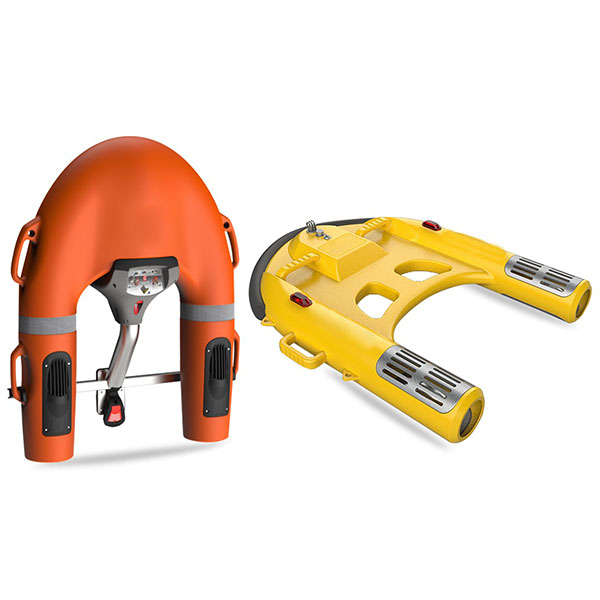
custom rotomolded lifebuoy shell for marine safety
The custom rotomolded lifebuoy shell is manufactured using a one-piece rotational molding process and high-quality polyethylene materials, specifically designed to provide sturdy and durable external protection for maritime and water safety equipment.
Description
The rotomolded lifebuoy shell features a seamless one-piece construction, excellent UV and weather resistance, outstanding impact resistance, and an easy-to-clean surface, which can extend the service life of lifebuoys and related devices and reduce maintenance costs. It supports personalized customization by size, color, markings, and mounting interfaces to meet the diverse needs of ships, docks, swimming facilities, and rescue organizations.
Main features of the rotomolded lifebuoy shell:
- Integrated rotomolding: one-piece seamless design eliminates joint weaknesses, providing a more robust structure and better waterproof performance.
- Strong UV and weather resistance: material formulations include UV additives to resist aging from sunlight exposure and temperature variations, with long-lasting color retention.
- Good impact and compression resistance: capable of withstanding routine handling, collisions, and external impacts, suitable for outdoor and marine environments.
- Easy-to-clean surface: smooth exterior resists dirt accumulation and can be cleaned easily with water or common cleaning agents, simplifying maintenance.
- Customizable: supports production customized to lifebuoy diameter, thickness, installation grooves, mounting holes, colors, and printed markings.
- Lightweight and durable: lighter than metal housings, easier to install and replace, while providing long-term durability.
Structure and design details:
- Modular and opening design: can be designed as hinged or snap-fit structures for quick installation or replacement of internal flotation materials.
- Reinforced ribs and strengthened load zones: local thickening or internal rib designs at stress points or mounting hole areas enhance fatigue resistance.
- Drainage and anti-pooling design: drain holes or guide grooves are appropriately placed to prevent rainwater or seawater from accumulating inside the shell.
- Marking and visibility design: the shell can reserve or print reflective markings, serial numbers, and company or organization logos for easier management and night-time identification.
Applicable scenarios:
- Protection of lifesaving equipment housings for ships and offshore platforms.
- Rescue facilities at ports, docks, yacht clubs, and seaside attractions.
- Lifebuoys and safety equipment for swimming pools, beaches, and water parks.
- Customization and replacement projects for maritime authorities, port authorities, and rescue organizations.