
 English
  Français
  Tiếng Việt
  Italiano
  Nederlands
  Türkçe
  Svenska
  Polski
  Română
  Latviešu
  한국어
한국어  Русский
  Español
  Deutsch
  Українська
  Português
  العربية
  Indonesian
  Čeština
  Suomi
Suomi  Eesti
Eesti  Български
  Dansk
Dansk  Lietuvių
  Bokmål
  Slovenčina
  Slovenščina
  Ελληνικά
  Magyar
  עברית
עברית 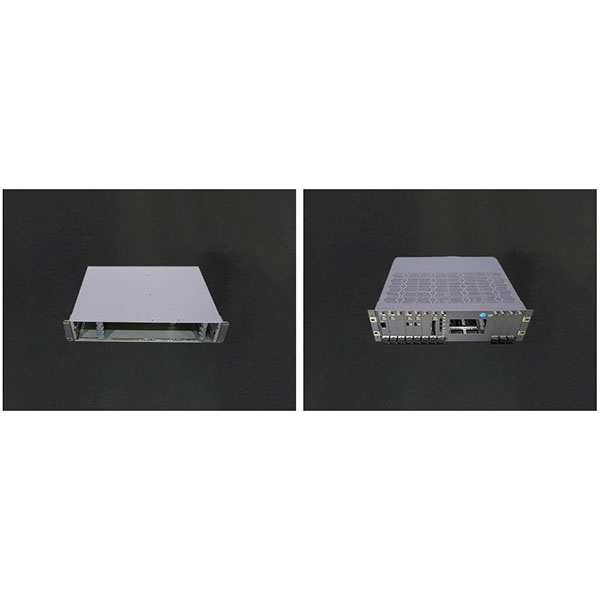
computer case sheet metal components for enclosures
Computer case sheet metal components include case side panels, front and rear panels, top cover, bottom plate, trays, brackets, drive bay rails, baffles and various mounting brackets. They are key parts that provide structural support, thermal paths and fixed mounting points for computers and electronic equipment.
Description
Computer case sheet metal is manufactured using sheet metal forming processes, offering high strength, dimensional stability, consistent machining quality, and advantages for heat dissipation and electromagnetic shielding. It is suitable for a variety of applications such as desktop PC cases, server enclosures, workstations, and industrial control cabinets.
Applicable materials and thickness range:
- Common materials: cold-rolled steel, galvanized steel, stainless steel (e.g., 304, 316), aluminum alloys (e.g., 5052, 6061), copper and other alloy materials.
- Common sheet thickness: 0.4 mm–3.0 mm (specific thickness determined by structural strength, cooling requirements, and forming process).
- Surface protection: protective film can be applied before processing to prevent scratches, or pretreatment can be performed prior to post-processing.
Manufacturing processes and equipment:
- Laser cutting, punch press: used for hole making, cutting I/O interfaces, fan holes, ventilation holes, and fine profile cutting.
- CNC bending (CNC, Press Brake): used to form bend angles, flanges and mounting slots to ensure fit and structural strength.
- Stamping and punching: efficient for mass production of standard hole types and structural parts.
- Welding (spot welding, TIG welding), riveting and screw assembly: used to fix structural parts and connect subassemblies.
- Forming and shaping: including deep drawing, flanging, and forming stiffening ribs to improve rigidity and durability.
- Surface treatment lines and automated assembly equipment: support powder coating, painting, electroplating and automated assembly stations.
Structural design considerations and functionality:
- Thermal design: reasonable hole patterns and ventilation paths, and layout of fan and heatsink mounting positions to optimize airflow and cooling efficiency.
- Mounting and compatibility: reserve standard screw holes, standoffs, rails and mounting slots to ensure compatibility with motherboards, drives, power supplies and expansion cards.
- Strength and deformation resistance: increase overall rigidity and reduce vibration through appropriate bend radii, stiffening ribs and support structures.
- Electromagnetic compatibility (EMC): adopt grounding design, lap joints or shielding materials to reduce electromagnetic interference.
- Appearance and workmanship requirements: control inner/outer bend appearance, edge flatness and hole-edge finishing to meet customer assembly and aesthetic requirements.
Surface treatments and post-processing:
- Surface treatment options: powder coating, painting, electrostatic spraying, electroplating (nickel, chrome, etc.), anodizing (for aluminum), phosphating, etc.
- Finishes and colors: can be specified according to RAL or customer samples for color and texture.
- Deburring and chamfering: perform deburring and chamfering after cutting and punching to ensure assembly safety and appearance quality.
- Secondary processing: coordinate with drilling and tapping, milling, welding, assembly and installation of functional components.
Application areas of computer case sheet metal components:
- Desktop and gaming cases, server and rackmount enclosures, workstation housings.
- Industrial control enclosures, communication equipment housings and instrument panels.
- Drive brackets, optical drive and hard drive mounting components, heatsink brackets.
- Custom enclosures, display cabinets and other electronic equipment structural parts.