
 English
  Français
  Tiếng Việt
  Italiano
  Nederlands
  Türkçe
  Svenska
  Polski
  Română
  Latviešu
  한국어
한국어  Русский
  Español
  Deutsch
  Українська
  Português
  العربية
  Indonesian
  Čeština
  Suomi
Suomi  Eesti
Eesti  Български
  Dansk
Dansk  Lietuvių
  Bokmål
  Slovenčina
  Slovenščina
  Ελληνικά
  Magyar
  עברית
עברית 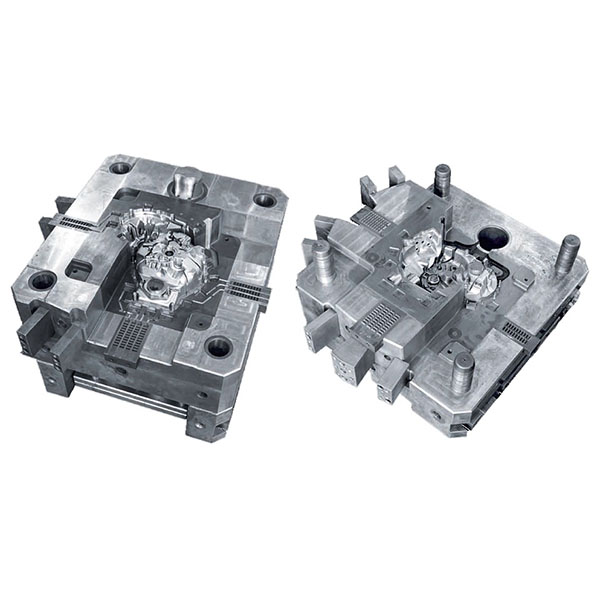
clutch housing die casting mold for OEM precision parts
Clutch housing die casting molds are specifically designed and manufactured for producing clutch housing parts with the die casting process, suitable for high-speed mass production of aluminum alloys or other light metal materials.
Description
Clutch housing die casting molds, combined with optimized gating and cooling systems, reliable venting structures, and high-precision cavity machining, can stably produce housings with high density, precise dimensions, and excellent surface quality, and are widely used in automotive powertrain systems and related industrial equipment.
Mold materials and surface treatments:
- Mold materials: High heat-resistant and high thermal fatigue-resistant mold steels are commonly selected, and appropriate heat treatment is carried out according to production cycle and material type to improve service life.
- Surface reinforcement: Processes such as nitriding, chrome plating, or PVD coatings are applied to cavity surfaces to reduce material sticking, improve wear resistance, and enhance demolding performance.
- Corrosion protection and sealing: Corrosion protection treatments and high-precision fits are applied to cooling channels, sealing surfaces, and runners to ensure long-term stable production.
Structure and design key points:
- Cavity design: Optimize parting surfaces, vent slots, and fillets according to the geometry and assembly requirements of the clutch housing to ensure uniform filling, ease of cleaning, and compliance with subsequent machining needs.
- Runners and gating system: Design reasonable gating and runner schemes to control melt flow rate and filling sequence, avoiding trapped air, cold shuts, and stress concentration.
- Cooling system: Arrange uniform circulating cooling channels or local cooling circuits to ensure stable mold temperature, shorten solidification time, and reduce thermal deformation.
- Ejection and demolding mechanisms: Design reliable ejection systems, sliders, and parting mechanisms to ensure smooth demolding without damaging the casting surface.
- Machining allowances and locating datums: Reserve reasonable allowances for subsequent machining and design clear locating datums and clamping structures to ensure assembly and machining accuracy.
Manufacturing processes:
- Precision machining: Use CNC milling, wire EDM (WEDM), slow-feed wire cutting, sinker EDM, and precision grinding processes to ensure the dimensions and surface quality of cavities and cores.
- Heat treatment and assembly: Critical mold components undergo heat treatment followed by stress relief and precision assembly, with fit inspection and clearance correction to ensure closing accuracy and synchronized movement.
- Sealing and piping machining: Machine high-quality sealing faces and fittings for cooling and venting systems, and arrange pressure-resistant water and air lines to ensure long-term stable operation.
- Surface finishing: Perform polishing or texture treatment on cavity surfaces to meet target casting surface requirements while maintaining demolding performance.
Typical application areas of clutch housing die casting molds:
- Mass production of clutch housings for passenger car and commercial vehicle powertrain systems.
- Manufacture of housings and connecting parts for construction machinery and commercial equipment.
- Die-cast housing parts requiring high density, good surface quality, and stable dimensions.
Maintenance and care:
- Daily inspection: Regularly check wear condition of guide posts, sliders, seals, cooling channels, and fasteners, and clean cavity residues.
- Surface maintenance: Polish or apply anti-stick coatings to areas prone to sticking, and keep venting channels clear.
- Periodic overhaul: Establish maintenance schedules according to production cadence, promptly replace worn parts, and record maintenance history to extend mold life.