
 English
  Français
  Tiếng Việt
  Italiano
  Nederlands
  Türkçe
  Svenska
  Polski
  Română
  Latviešu
  한국어
한국어  Русский
  Español
  Deutsch
  Українська
  Português
  العربية
  Indonesian
  Čeština
  Suomi
Suomi  Eesti
Eesti  Български
  Dansk
Dansk  Lietuvių
  Bokmål
  Slovenčina
  Slovenščina
  Ελληνικά
  Magyar
  עברית
עברית 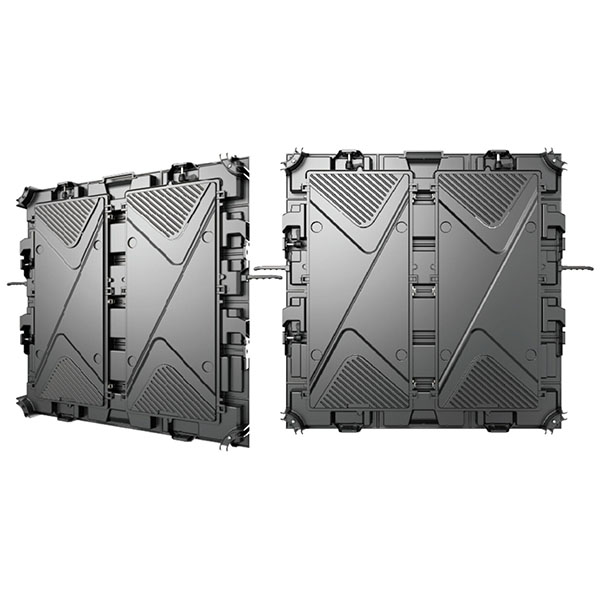
die-cast aluminum enclosures for rugged outdoor shielding
Die-cast aluminum enclosures are commonly used in scenarios that require weather resistance, impact resistance, heat dissipation, and sealing performance, such as electronic devices, instruments, power modules, and outdoor distribution units, balancing functionality with industrial aesthetics.
Description
Die-cast aluminum enclosures are mass-produced using high-pressure die casting, achieving good heat dissipation and electromagnetic shielding while maintaining strength and rigidity.
Production process:
- Drawing review and castability analysis: Perform mold-flow simulation and feasibility assessment based on 2D/3D drawings and provide optimization suggestions.
- Mold manufacturing and trial molding: Produce molds, complete heat treatment, and conduct trial molding; adjust gating points and venting systems.
- Die casting: Execute injection, holding pressure, cooling, and mold-opening cycles according to specified process parameters, produce blanks, and record key process data.
- Blank post-processing: Trim gates, grind/remove flash, clean and degrease; perform aging or heat treatment when necessary.
- Finishing and assembly: Perform secondary machining such as turning, milling, drilling, and tapping on critical mating surfaces and sealing grooves, and install seals or internal brackets as required.
- Surface treatment and inspection: Complete anodizing, plating, painting, or powder coating per customer requirements, carry out appearance and functional inspections, then pack for shipment.
Surface treatments and post-processing:
- Anodizing: Improves corrosion resistance and enables a variety of colors and decorative finishes; commonly used for outdoor or aesthetically exposed enclosures.
- Painting and powder coating: Provide weather resistance and scratch resistance while meeting color consistency and durability requirements.
- Plating or chemical plating: Enhance surfaces for special protection or conductive/shielding purposes.
- Sealing treatments: Use O-rings, sealants, or rubber gaskets according to protection-level requirements to improve IP ratings (e.g., IP65).
Typical application scenarios of die-cast aluminum enclosures:
- Industrial control and instrument enclosures: housings for PLCs, inverters, power modules, and similar equipment.
- Outdoor and streetlight enclosures: housings for streetlights, LED driver/control boxes, and communication equipment with heat-dissipation and protection needs.
- Power and distribution equipment: distribution boxes, terminal boxes, and monitoring unit housings.
- Consumer and professional equipment: housings for security devices, test instruments, and other electronic products requiring metal protection.